Short answer: For most small teams, the best GEO tools in 2026 are SE Visible (most prompts per dollar), Otterly.AI (cheapest way in) and Promptwatch (widest engine coverage on an entry plan). Teams already paying for Semrush or Ahrefs should start with the AI add-on there. Profound is now sold to brands as an enterprise product, so ignore any list that still quotes its old $99 and $399 plans.
Here's the awkward truth about this topic. Almost every "best GEO tools" article on page one is written by a company that sells a GEO tool, and most of them rank their own product first. That doesn't make them useless, but it does make them hard to trust, especially when their prices for the same tool contradict each other, sometimes by hundreds of dollars a month.
So we did the boring part. On October 20, 2026, we opened the pricing page of every tool below and wrote down what the entry plan actually includes: which AI engines it tracks, how many prompts you get, and what it costs. We don't sell a GEO tool, and none of the links on this page are affiliate links. (We do sell GEO services, which work the same whichever tool you choose.)
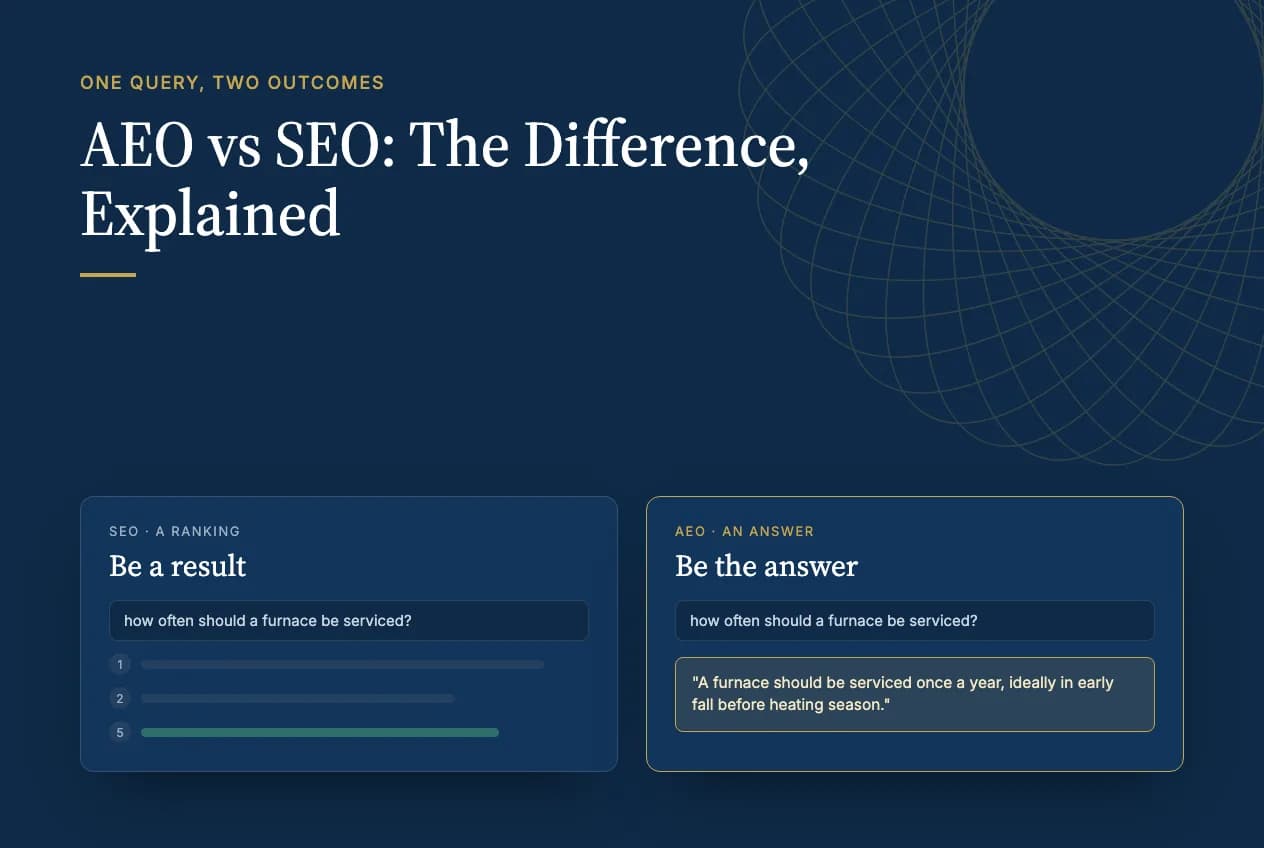
One caveat before you read on. Prices in this category change constantly; Profound alone removed its paid self-serve plans in September 2026. Treat every number as accurate on the date above, and check the vendor's page before you pay. If you want the bigger picture first, start with our guide to generative engine optimization, or read AEO vs SEO for how answer engines differ from search engines.
What does a GEO tool actually do?
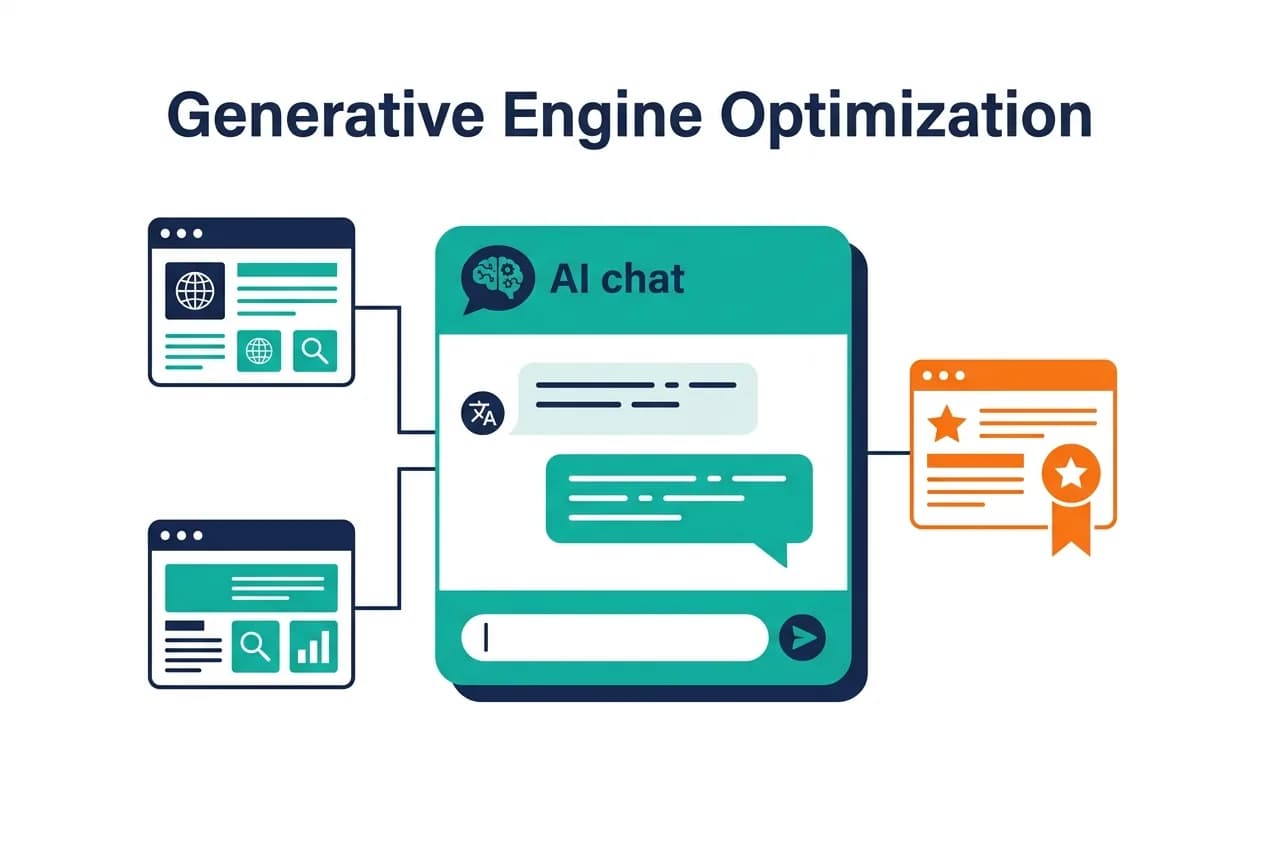
A GEO tool (also called an AI visibility tracker) runs a fixed list of questions through AI engines like ChatGPT, Gemini, Perplexity and Google AI Overviews on a schedule, then records whether your brand was mentioned, which web pages were cited, how you were described and how you compare with competitors. It turns unpredictable AI answers into a trend line you can report on.
That's the whole job at its core. Everything else on the feature pages (content agents, optimization scores, "AI marketers") is built on top of that sampling loop.
It helps to know what's happening under the hood, because it explains why two tools can give you different numbers for the same brand:
- You pick the prompts. You (or the tool's suggestions) choose the questions to track, such as "best accounting software for freelancers" or "is [your brand] worth it." A "prompt" in pricing tables means one of these questions.
- The tool asks each engine. Some tools type the question into the real chat interface, like a person would. SE Visible and Promptwatch both say they collect answers this way. Others use the engine's API, which is cheaper but can return different answers from the ones users see.
- It reads the answer. The tool checks whether your brand appears, where it appears in the list, what sources are linked, and whether the tone is positive or negative.
- It repeats on a schedule. Most tools on this list re-run every prompt daily, so you see movement over weeks rather than one lucky or unlucky answer.
The numbers you'll see in every dashboard mean roughly the same thing everywhere:
| Metric | What it tells you |
|---|---|
| Visibility or mention rate | The share of tracked answers that name your brand |
| Citation rate | How often the engine links to one of your pages as a source |
| Share of voice | Your mentions compared with named competitors, as a percentage |
| Position | Where you appear when the answer is a list (first, third, not at all) |
| Sentiment | Whether the engine describes you positively, neutrally or negatively |
| Top sources | The third-party pages the engine leans on in your category, which is where PR and outreach effort pays off |
One thing no vendor puts in bold: these are samples, not census data. AI answers change from one run to the next, by location and by how a question is worded. A visibility score is a useful trend, but a single day's number on a single prompt is close to meaningless. Judge any tool by whether its trends make sense over a month, not by whether one answer matched what you saw in your own browser.
GEO tools compared: engines, prices and who they're for
The cheapest credible GEO tool is Otterly.AI at $29 a month; the best value per prompt is SE Visible, which gives you 200 prompts across five engines for $99. Every figure below comes from the vendor's own pricing page, checked on October 20, 2026, and shows the entry plan only, billed monthly in US dollars.
| Tool | AI engines on the entry plan | Entry price (per month) | Prompts on entry plan | Free trial | Best for |
|---|---|---|---|---|---|
| Otterly.AI | ChatGPT, Google AI Overviews, Perplexity, Copilot (AI Mode and Gemini +$9 each, Claude +$29) | $29 | 15 | Yes | Solo marketers and small sites testing GEO |
| Ahrefs Brand Radar | AI Overviews, AI Mode, ChatGPT, Perplexity, Gemini, Copilot (Claude available at a higher check cost) | From $199 for Brand Radar AI; custom prompt packs from $50 | 5 to 20 custom prompts included, depending on your Ahrefs plan | No | Teams already paying for Ahrefs |
| Peec AI | Any 3 models you choose, including ChatGPT, AI Overviews and Perplexity | $95 | 50 | Not listed | Marketing teams that want unlimited seats |
| Promptwatch | All tracked models, including ChatGPT, AI Overviews, AI Mode, Copilot, Perplexity, Claude, Gemini, Meta Llama and DeepSeek | $95 | 50 | 7 days | Widest engine coverage at an entry price |
| SE Visible | ChatGPT, Gemini, AI Mode, Perplexity, AI Overviews | $99 | 200 | 10 days | Most prompts per dollar; small agencies |
| Semrush AI Visibility Toolkit | Google AI Mode and ChatGPT are named; the full list isn't on the plan page | $99 per domain | 25 | No | Teams already working in Semrush |
| Profound | Trial: ChatGPT, Gemini, AI Overviews. Enterprise: up to 9 engines | Free 7-day trial, then custom enterprise pricing | 50 (trial) | 7 days | Enterprises with budget and an in-house team |
Three patterns jump out of this table. First, "prompts" are the real unit of cost, and the range is huge: 15 prompts on Otterly's entry plan versus 200 on SE Visible's for about three times the price. Second, engine coverage on the cheapest plan varies more than the marketing suggests; several tools charge extra for Gemini, Google AI Mode or Claude. Third, two of the biggest names, Semrush and Ahrefs, price their AI tracking as add-ons, so the true cost depends on what you already pay them.
The seven tools, one by one
Otterly.AI
The cheapest way in. The $29 Lite plan tracks 15 prompts across ChatGPT, Google AI Overviews, Perplexity and Copilot, and you can add Google AI Mode or Gemini for $9 each and Claude for $29. The trade-off: 15 prompts is enough to test the idea on one product or service, not to track a whole category, and you can't buy extra prompts on Lite.
Ahrefs Brand Radar
Built into the Ahrefs platform. Paid Ahrefs plans include a small number of custom prompts (5 on Lite, 10 on Standard, 20 on Advanced), and you can buy more as packs of "checks", starting at $50 a month. Brand Radar AI, the wider index of AI answers, starts at $199 a month. The trade-off: the pricing is in checks rather than prompts, so work out how many prompts × engines × updates you need before comparing it with a flat-rate tool.
Peec AI
Peec's Starter plan is $95 a month for 50 prompts on any three models you choose, including ChatGPT, AI Overviews and Perplexity, with unlimited seats. The trade-off: three engines on the entry plan means picking which ones matter most to your buyers; adding more costs extra.
Promptwatch
The widest engine coverage at an entry price: the $95 Essential plan tracks every model it supports, from ChatGPT and AI Overviews to Claude, Meta Llama and DeepSeek. Its FAQ says it collects answers by scraping the real chat interfaces rather than using APIs. The trade-off: 50 prompts across that many engines is broad but shallow; most small businesses don't need nine engines yet.
SE Visible
From SE Ranking. The $99 Basic plan gives 200 prompts across ChatGPT, Gemini, AI Mode, Perplexity and AI Overviews, with three projects and a 10-day trial. Its FAQ says it collects real AI responses through a browser, not API results. The trade-off: no Claude or Copilot on the entry plan, which matters less for local and small-business searches than for software buyers.
Semrush AI Visibility Toolkit
An add-on for Semrush users at $99 a month per domain, with 25 prompts (50 more cost $60 a month). Semrush names Google AI Mode and ChatGPT as tracked platforms. There's no free trial. The trade-off: convenient if your team already lives in Semrush; expensive per prompt if you're buying Semrush just for this.
Profound
Profound's public pricing now offers a free 7-day trial (50 prompts, run daily, on ChatGPT, Gemini and AI Overviews) and custom-priced enterprise plans covering up to nine engines. PricingSaaS's pricing tracker recorded the removal of its $99 and $399 paid plans in the week of September 14, 2026. Its FAQ still mentions an "Agency Growth" plan for agencies, without a public price. The trade-off: strong if you have the budget and a team to act on it; out of reach for most small businesses.
How to track AI visibility for free
You can track AI visibility yourself with a spreadsheet, about an hour a month, and three free data sources. It won't sample daily like a paid tool, but it shows the trend, and it tells you whether a tool is worth paying for yet.
- Write 15 to 25 prompts. Use the questions your customers actually ask before they buy: "best [service] in [city]", "is [your brand] worth it", "[your brand] vs [competitor]". Keep the wording fixed from month to month.
- Run them monthly. Ask each prompt in ChatGPT, Perplexity and Gemini, and search it on Google to see whether an AI Overview or AI Mode answer appears. Use a logged-out or private window so your history doesn't skew the answers.
- Log four things per prompt: whether you're named, whether you're linked, your position if the answer is a list, and which competitors appear instead.
- Check GA4 for AI referrals. Visits from AI assistants show up as referral sources such as chatgpt.com and perplexity.ai, though some arrive as Direct traffic with no referrer. MarTech's guide explains how GA4 records them.
- Check Search Console. Google includes AI Overview and AI Mode traffic in your overall Search Console data, and rising branded searches are often the first sign that AI answers are mentioning you.
For a one-off snapshot, HubSpot's free AI Search Grader checks how ChatGPT, Perplexity and Gemini describe your brand. It's a single check, not ongoing tracking.
Want this done for you? Our free AI-search audit runs your key questions through ChatGPT, Perplexity and Google's AI and shows which competitors get named instead of you.
Which GEO tool is right for a small business or an agency?
A small business usually doesn't need a paid GEO tool yet: the free monthly method above covers 15 to 25 questions, which is most of what a local or niche business gets asked about. Agencies and brands tracking many products, locations or clients do need one, because manual checks don't scale.
- Small or local business: start with the free method for three months. If you want automation, Otterly.AI's $29 plan is the cheapest way to try it. Most of your gains will come from the work, not the dashboard: clear answers on your pages, consistent business details and genuine reviews.
- In-house marketing team: SE Visible or Peec AI, depending on whether you need more prompts (SE Visible) or more seats (Peec AI). If you already pay for Semrush or Ahrefs, test their AI add-on first.
- Agency: SE Visible's 200 prompts and three projects stretch furthest at the entry price. Promptwatch suits clients who need every engine covered.
- Enterprise: Profound or Ahrefs Brand Radar AI, with the budget and team to act on what they find.
Whichever you pick, the tool only measures. If you'd rather have someone do the work it measures, that's what our generative engine optimization service does.
Sources
All pricing pages checked on October 20, 2026.
- Otterly.AI pricing
- Ahrefs pricing and Ahrefs Brand Radar
- Peec AI pricing
- Promptwatch pricing
- SE Visible pricing
- Semrush: AI Visibility Toolkit
- Profound pricing
- PricingSaaS: Profound pricing changes, September 2026
- MarTech: How GA4 records traffic from Perplexity, Comet and ChatGPT Atlas
- HubSpot AI Search Grader
- Google Search Central: AI features and your website
Frequently asked questions
What is a GEO tool?
A GEO tool, also called an AI visibility tracker, runs a fixed list of questions through AI engines such as ChatGPT, Gemini, Perplexity and Google AI Overviews on a schedule. It records whether your brand is mentioned or cited, how you're described, and how you compare with competitors over time.
Is there a free GEO tool?
Not a free tracker worth relying on, but you can track AI visibility yourself for free. Run a fixed list of 15 to 25 prompts in ChatGPT, Perplexity and Gemini each month, log mentions and citations in a spreadsheet, and watch AI referrals in GA4. HubSpot's AI Search Grader gives a free one-off snapshot.
Do I need a GEO tool if I already have Semrush or Ahrefs?
Probably not at first. Semrush sells an AI Visibility Toolkit at $99 a month per domain, and paid Ahrefs plans include a few custom Brand Radar prompts, with more sold as packs. Test the add-on you can already access before buying a separate tracker, then compare prompts per dollar.
How accurate are GEO tools?
They're accurate as trends, not as single readings. AI answers change from run to run, by location and by wording, so every tool is sampling. Tools that collect answers from the real chat interface reflect what users see more closely than API-based tools. Judge any tool on whether its monthly trends make sense.
Is GEO the same as AEO?
They overlap heavily. AEO (answer engine optimization) covers every answer surface, including featured snippets and voice assistants. GEO (generative engine optimization) focuses on generative AI tools like ChatGPT and AI Overviews, including how they describe your brand. Most GEO tools measure both, because the same answers serve both.
How long until a GEO tool shows results?
A tool shows your baseline on day one, but meaningful trends need at least four weeks of daily runs, because single answers vary so much. Changes from your own work, such as clearer pages or new third-party mentions, usually take weeks to months to show up in AI answers.
Do I need a GEO tool at all?
Not always. A small or local business tracking 15 to 25 questions can do it by hand in about an hour a month. A tool becomes worth paying for when you track many products, locations or clients, need daily data, or have to report share of voice against competitors.